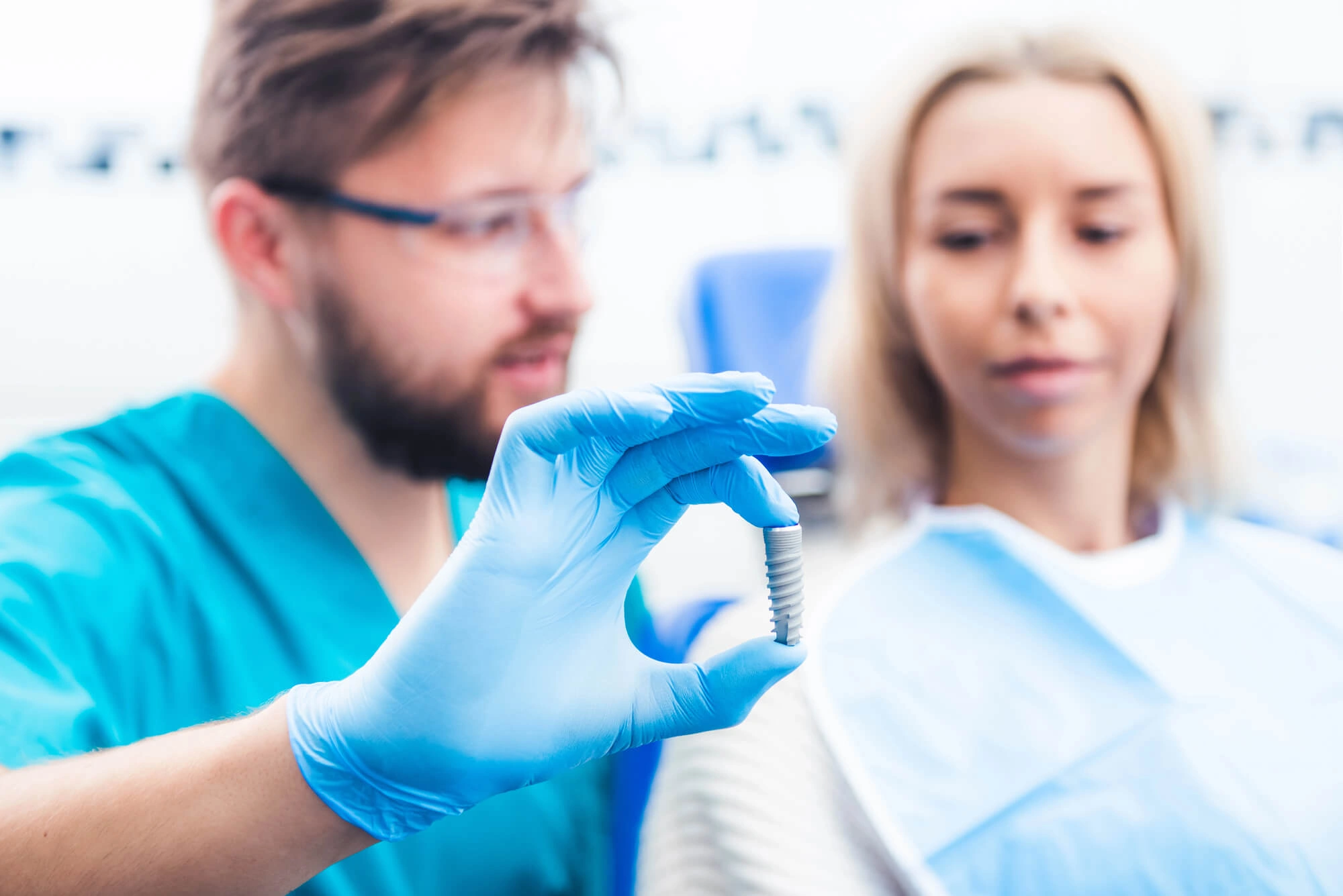
It is normal to wonder whether getting dental implants will hurt, especially if you have never experienced implant treatment before. With dental implants in Bronx, NY, appropriate anesthesia is used during the procedure to help minimize discomfort. Some soreness, swelling, or tenderness may occur afterward, but these symptoms are generally part of the normal healing process.
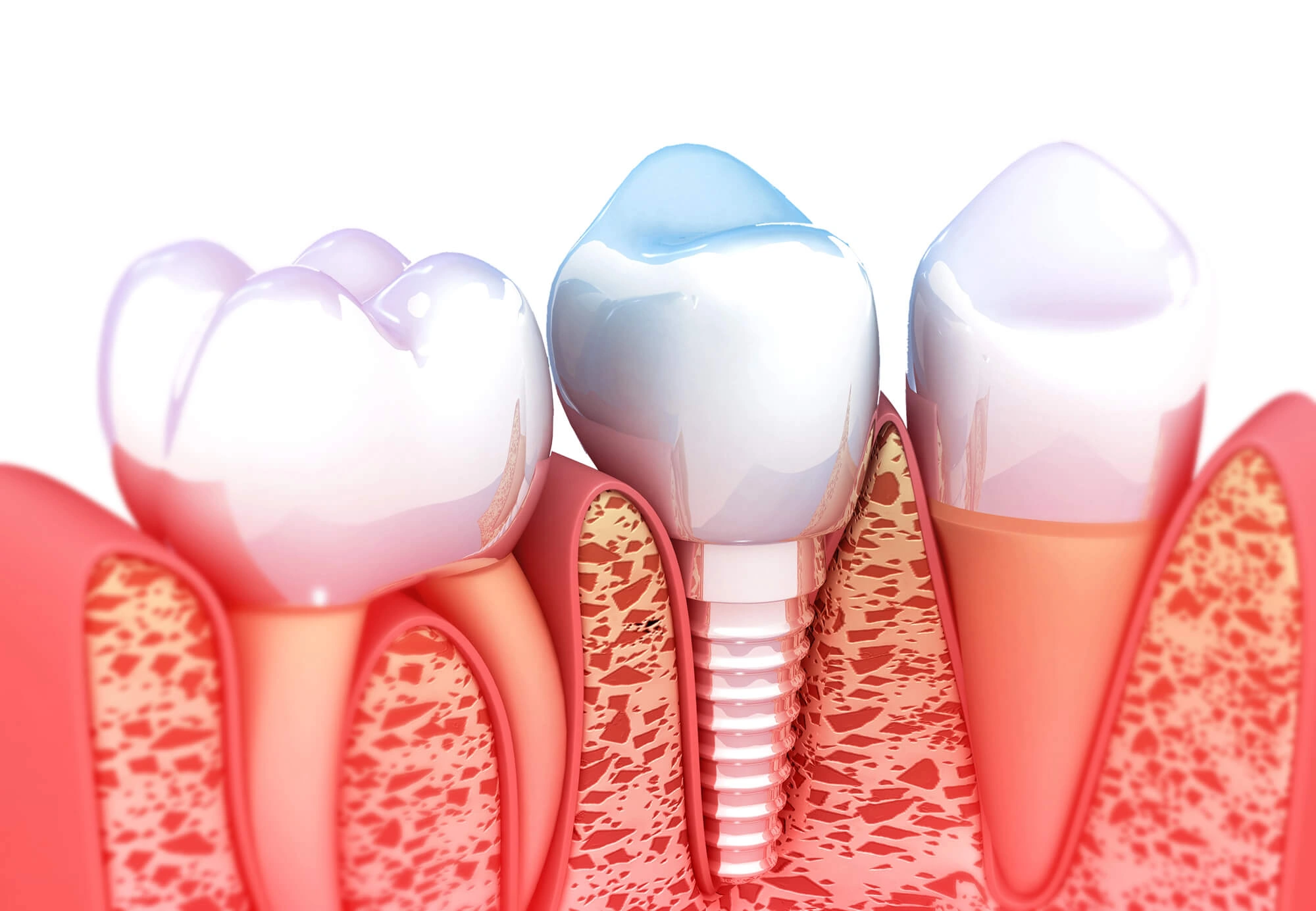
Does Getting a Dental Implant Hurt?
During implant placement, the treatment area is numbed with local anesthesia, so you should not feel sharp pain while the implant is being placed. You may notice pressure, movement, or vibration during certain parts of the procedure. Your dental provider will work to keep you comfortable. If you are concerned about discomfort, discuss your concerns with your provider before treatment.
The amount of discomfort can vary depending on the number of implants being placed and the complexity of the procedure. Your oral health and whether additional procedures are necessary can also affect the experience. A personalized evaluation allows your provider to explain what you can expect based on your treatment plan.
What Does Recovery Feel Like?
Some soreness and swelling are common after dental implant surgery as the tissues begin to heal. These symptoms are typically most noticeable during the early stages of recovery and should gradually improve. Your dental provider will give you specific aftercare instructions based on your procedure.
Following those instructions can help support healing and reduce unnecessary irritation around the treatment area. Helpful recovery practices may include:
- Eating soft foods as recommended
- Keeping the mouth clean according to instructions
- Avoiding strenuous activity during the recommended recovery period
- Taking medications only as directed
- Attending follow-up appointments
Why Might Dental Implants Feel Uncomfortable?
Discomfort after implant placement is usually related to the body's normal healing response rather than the implant itself. The gums and surrounding tissues may be tender after surgery, particularly when chewing or touching the treatment area. Swelling can also occur as the tissues recover.
Can Pain Continue After the Initial Healing Period?
Persistent or worsening discomfort should not simply be ignored. While some tenderness can be expected, significant pain, increasing swelling, unusual bleeding, or other concerning symptoms should be reported to your dental provider. An evaluation can determine whether the area is healing normally or requires additional attention.
How Can You Prepare for Dental Implant Treatment?
Understanding the procedure beforehand can make the experience feel less uncertain. Your dental provider will evaluate your oral health, discuss your treatment plan, and explain the expected recovery process before implant placement. This is also the right time to ask questions about discomfort, aftercare, and how long healing may take.
Good preparation also means following any instructions provided before your appointment. Arranging time to rest afterward and having appropriate soft foods available can make the early recovery period more comfortable.
Frequently Asked Questions
Are Dental Implants More Painful Than Tooth Extraction?
Discomfort varies between patients and procedures, so there is no universal comparison. Both treatments use anesthesia to help minimize pain during the procedure.
How Long Does Implant Pain Last?
Mild soreness and tenderness typically improve as the surgical area heals. However, recovery time varies depending on the individual and the complexity of treatment.
How Do I Make Recovery More Comfortable?
Following your provider's aftercare instructions, eating appropriate foods, maintaining recommended oral hygiene, and getting adequate rest can support a smoother recovery.

Feel Confident About Dental Implants in Bronx, NY
Dental implant treatment is designed to restore missing teeth while prioritizing patient comfort and long-term oral health. If you are considering implants, East Tremont Dental can help you understand the procedure, recovery process, and options available for your individual needs.
Schedule an appointment today to speak with your dental provider about what to expect before, during, and after treatment.