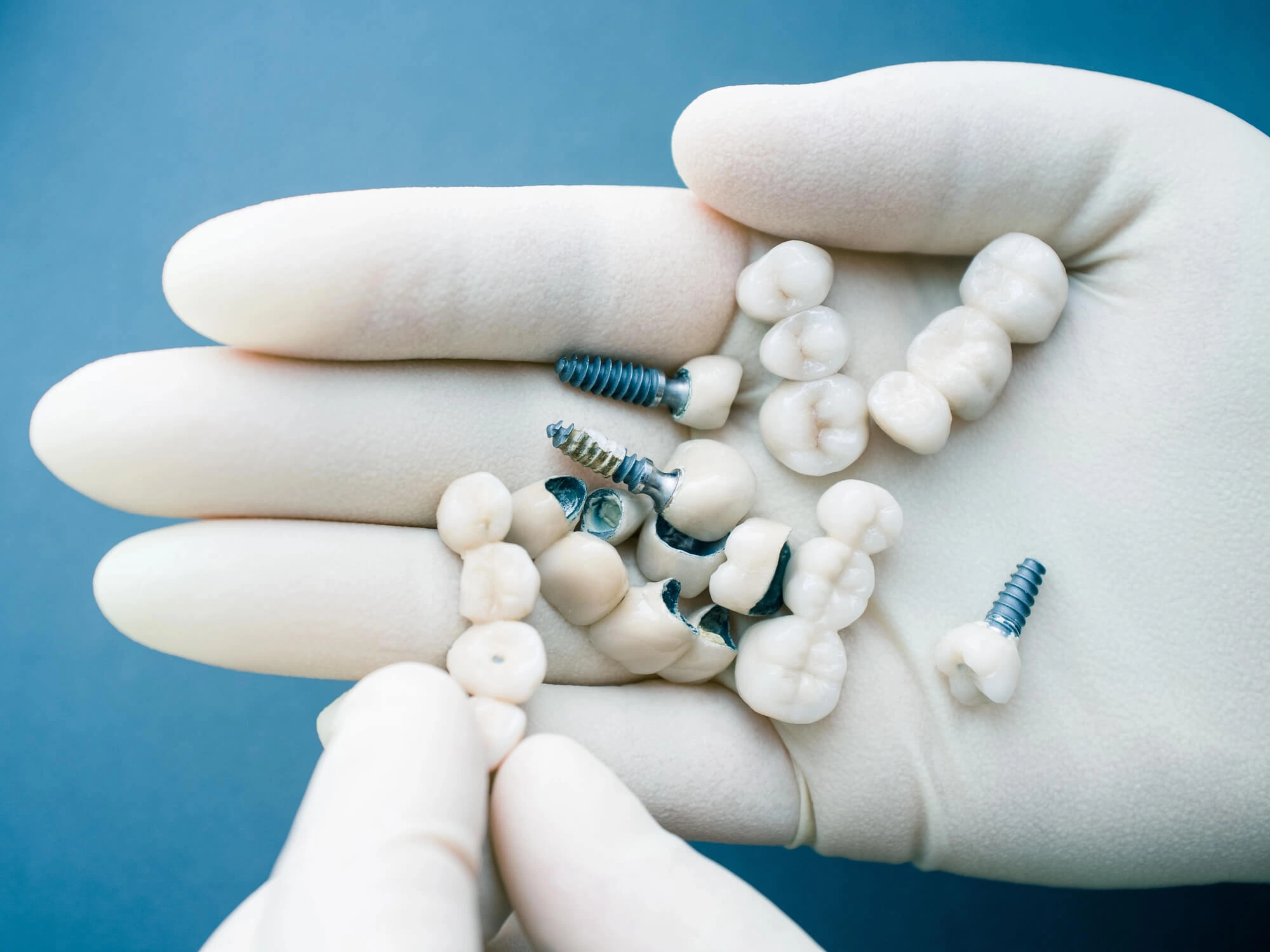
Dental implants have become one of the most reliable ways to replace missing teeth and restore a healthy, functional smile. Unlike traditional dentures or bridges that may need frequent replacement, dental implants are designed to be a long-lasting solution — but their lifespan still depends on a few important factors.
Understanding what affects implant longevity, how to care for them, and what signs to watch for can help you make a confident, well-informed decision about your smile restoration.

The Basics: Why Implants Are So Durable
A dental implant consists of three main parts: the titanium post (which functions like a tooth root), the abutment (which connects the post to the crown), and the crown itself (the visible portion that looks like a natural tooth). Titanium integrates with your jawbone in a process called osseointegration, creating a stable and strong foundation that mimics natural tooth roots. This is what gives implants such impressive durability compared to some other tooth replacement options.
Typical Longevity of Dental Implants
With proper care, dental implants can last 20 years or more, and many patients enjoy them for a lifetime. Studies show high success rates — often above 95% — even after a decade or longer. While no dental restoration is truly “indestructible,” implants outperform most traditional options and provide years of reliable function and comfort when they are maintained well.
While implants themselves have tremendous potential lifespan, several factors influence how long they really last for everyone:
Oral Hygiene Habits
Just like natural teeth, implants need consistent daily care. Brushing twice a day, flossing around implants, and using interdental brushes help prevent plaque buildup that can lead to gum inflammation or peri-implant disease.
Regular Dental Visits
Routine checkups let your dentist monitor implants, detect early warning signs, and address issues before they become serious. Professional cleanings are essential for long-term success.
Lifestyle Choices
Smoking and excessive alcohol consumption are proven risk factors for implant complications and can negatively affect healing and long-term stability.
Overall Health
Conditions like diabetes or autoimmune disorders can influence healing and implant success. Keeping overall health in check supports implant health too.
Bite Forces and Grinding
Patients who habitually grind or clench their teeth (bruxism) may place extra stress on implants and restorations. Wearing a nightguard can help protect implants and surrounding teeth.
How to Maximize Your Implant Lifespan
- Practice excellent oral hygiene every day
- Keep routine dental checkups and cleanings
- Wear protective gear if you engage in contact sports
- Use a nightguard if you grind your teeth
- Follow any aftercare instructions your dentist provides
With these habits in place, most patients enjoy implant stability and comfort for decades.

Ready to Learn More About Dental Implants in Bronx NY?
Dental implants offer one of the most durable and natural-feeling solutions for replacing missing teeth — often lasting many years with proper care. If you’re considering how long implants last or whether they’re right for your smile goals, professional guidance makes all the difference. Need a trusted dentist for dental implants in Bronx NY? Schedule your appointment at East Tremont Dental today to explore your dental implant options and plan a smile that lasts.