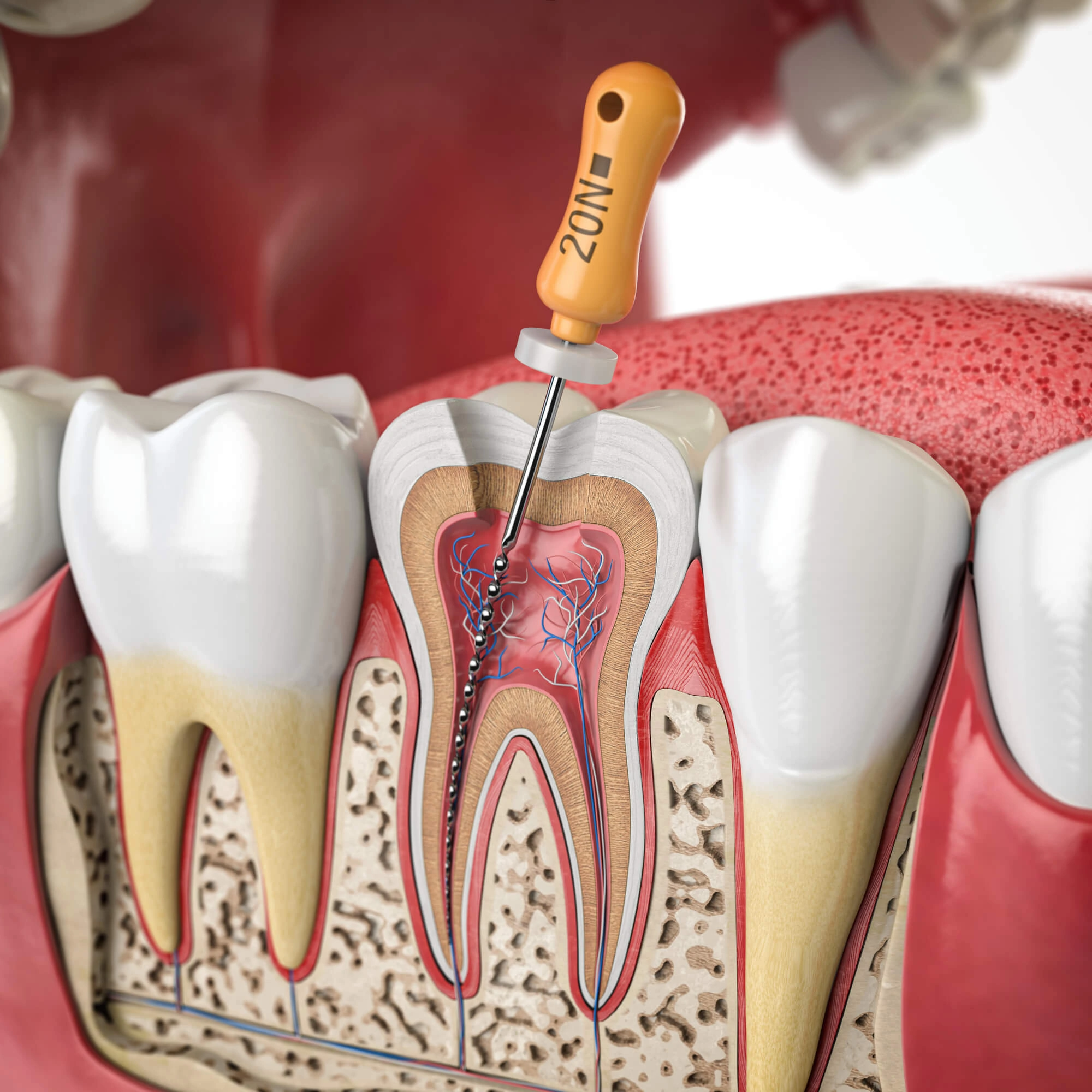
An emergency root canal is a fast, effective procedure that removes infection, relieves severe pain, and saves your natural tooth. Severe tooth pain can be overwhelming, especially when it comes from a deep infection inside the tooth. In these situations, an emergency root canal in NYC, is often the best solution to stop the pain and prevent further complications. Knowing what happens during the procedure can help ease anxiety and prepare you for a smooth experience.
Why an Emergency Root Canal Is Needed
Signs of a Serious Tooth Infection
A root canal becomes necessary when the pulp inside the tooth becomes infected or inflamed. This can cause intense pain and sensitivity that doesn’t go away on its own.
Common symptoms include:
- Severe, throbbing tooth pain
- Sensitivity to hot or cold that lingers
- Swelling in the gums or face
- A small bump or abscess on the gums
- Tooth discoloration
When these symptoms appear suddenly or worsen quickly, immediate treatment is required.
Why Immediate Care Matters
Delaying treatment can allow the infection to spread to nearby teeth or other parts of the body. An emergency procedure helps control the infection and protect your overall health.
Step-by-Step: What Happens During the Procedure
Initial Examination and Diagnosis
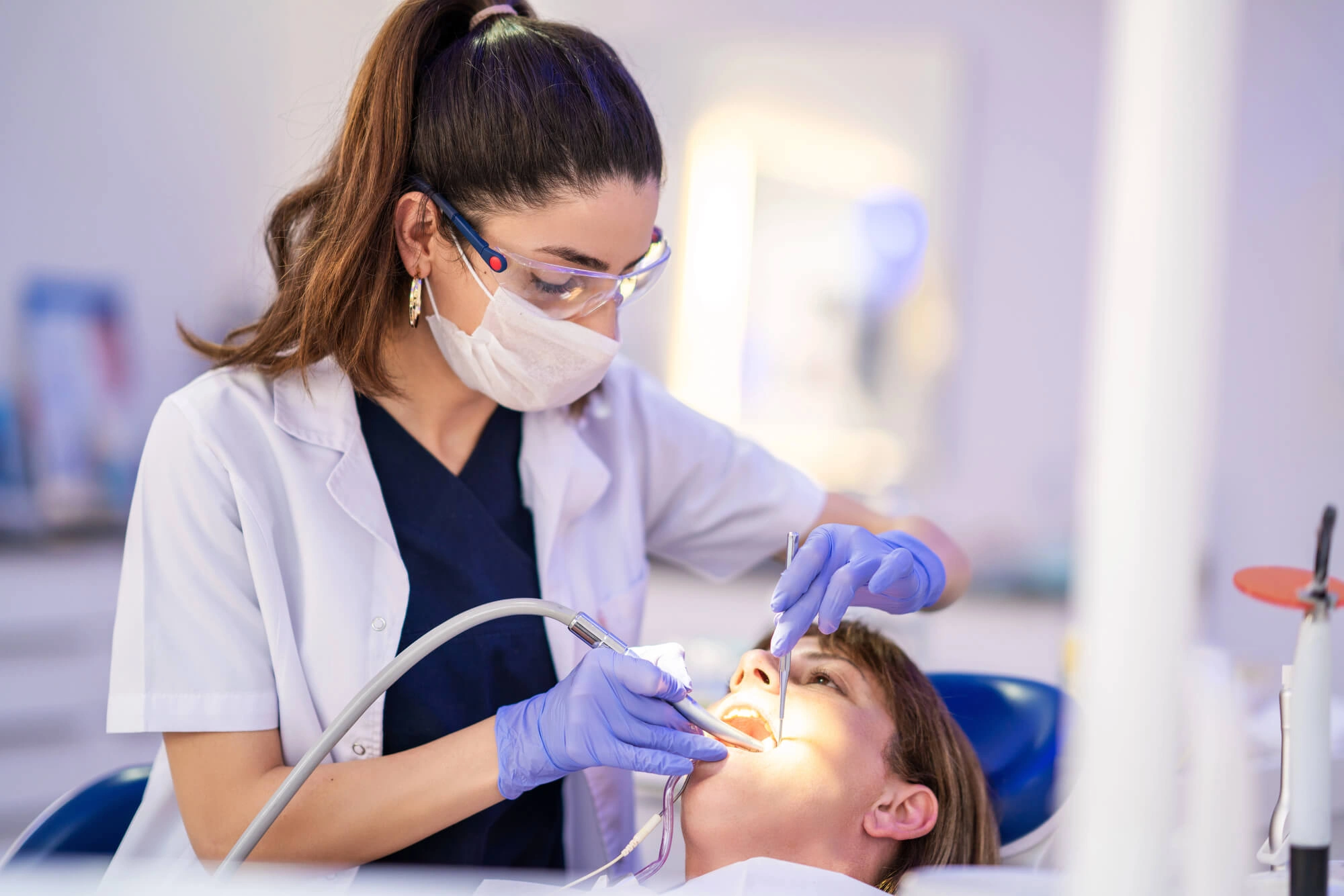
Your dentist will first examine the affected tooth and may take X-rays to determine the extent of the infection. This helps confirm that a root canal is the right treatment.
The goal at this stage is to quickly identify the problem and begin relieving your pain.
Numbing the Area
Before starting the procedure, local anesthesia is used to numb the area completely. This ensures that you remain comfortable throughout the treatment.
Despite common misconceptions, most patients feel little to no pain during a root canal.
Removing the Infection
The dentist creates a small opening in the tooth to access the infected pulp. The damaged tissue is carefully removed, and the inside of the tooth is cleaned and disinfected.
This step is crucial because it eliminates the source of the pain.
Cleaning and Shaping the Canals
After removing the infection, the root canals are shaped and cleaned thoroughly. This prepares the tooth for filling and helps prevent reinfection.
Sealing the Tooth
Once cleaned, the canals are filled with a special material to seal them. This protects the tooth from bacteria and restores its structure.
In many cases, a temporary filling is placed until a permanent restoration can be completed.
What Happens After the Procedure
Immediate Relief
Most patients feel significant pain relief shortly after the procedure. Some mild soreness may occur, but it usually fades within a few days.
Final Restoration
To fully protect the tooth, a crown is often placed during a follow-up visit. This restores strength and allows normal chewing function.
Recovery and Aftercare Tips
Managing Discomfort
After your emergency root canal in NYC, you may experience mild tenderness. This can be managed with:
- Over-the-counter pain medication
- Avoiding hard or chewy foods
- Keeping the area clean
Supporting Healing
Proper care helps ensure a smooth recovery:
- Brush and floss gently
- Avoid chewing on the treated tooth until restored
- Follow your dentist’s instructions
- Attend follow-up appointments
These steps help prevent complications and ensure long-term success.
Common Concerns About Root Canals
Is It Painful?
Modern dental techniques make root canals much more comfortable than many people expect. The procedure itself is designed to relieve pain, not cause it.
How Long Does It Take?
Most emergency root canals can be completed in one visit, depending on the severity of the infection.

Get Fast Relief with an Emergency Root Canal in NYC
If you are experiencing severe tooth pain or signs of infection, don’t wait to seek treatment. An emergency root canal can quickly eliminate pain and save your natural tooth. At East Tremont Dental, the team provides prompt, compassionate care to handle dental emergencies with comfort and efficiency. Schedule your appointment today and restore your oral health with confidence.